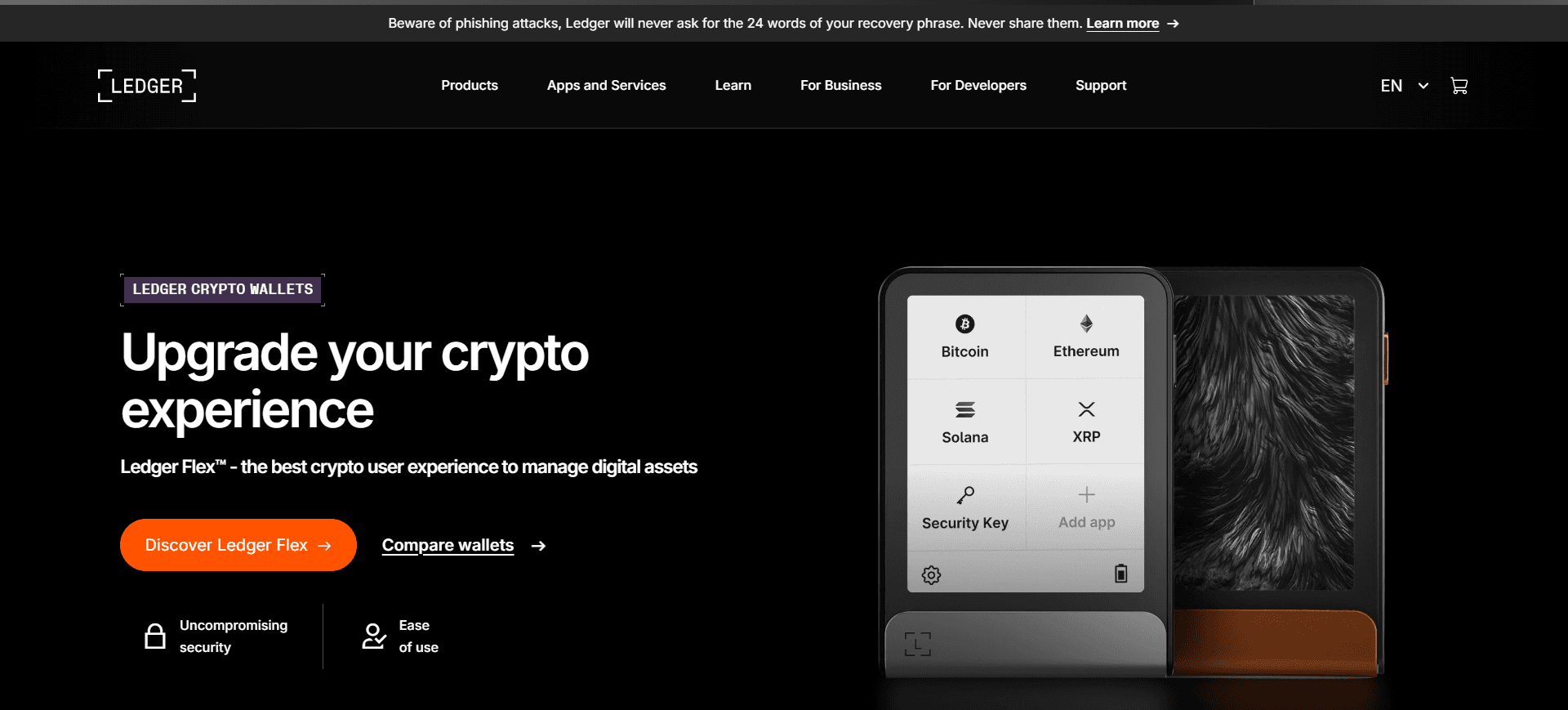
Ledger.com/Start: A Simple Guide to Setting Up Your Ledger Wallet
Cryptocurrency gives you full control of your money—but with control comes responsibility. Unlike banks, there’s no customer service to reverse a mistake or recover lost funds. Ledger hardware wallets are designed to keep your crypto safe by storing your private keys offline, far from hackers.
If you’re visiting ledger.com/start, you are beginning the official setup process. This guide explains each step clearly—from unboxing your Ledger device to sending and receiving crypto safely.
What is a Ledger Wallet?
A Ledger wallet is a small, secure device that stores your cryptocurrency private keys offline. Private keys are like secret passwords that give you access to your crypto. Anyone with access to them can spend your funds, so protecting them is critical.
With a Ledger wallet, you can:
Keep your crypto offline for maximum security
Approve transactions physically on the device
Manage multiple cryptocurrencies in one place
Connect safely to decentralized apps (DeFi and Web3)
Even if your computer or phone is hacked, your Ledger keeps your crypto safe.
Why Use Ledger.com/Start
ledger.com/start is the official page for setting up your Ledger wallet. Using it ensures that you:
Download the genuine Ledger Live software
Verify that your device is authentic
Set up your wallet correctly
Learn essential security practices
Avoid links from emails, social media, or ads. Fake websites are a common method scammers use to steal recovery phrases.
Ledger Wallet Options
Ledger.com/start supports all current Ledger devices:
Ledger Nano S Plus
USB connection only
Compact, beginner-friendly
Great for storing a few cryptocurrencies
Ledger Nano X
USB and Bluetooth
Mobile-friendly
More storage for apps and coins
The setup steps are similar for both devices.
Step 1: Inspect Your Ledger Device
Before powering on your Ledger, check the packaging carefully.
Items Included:
Ledger hardware wallet
USB cable
Blank recovery phrase cards
Instruction sheet
Ledger devices never come with pre-set PINs or recovery phrases. If anything is pre-filled, do not use the device.
Step 2: Visit Ledger.com/Start
Type ledger.com/start directly into your browser. Avoid clicking links from emails, social media, or ads—they may lead to fake websites. Once on the page, select your Ledger model and operating system.
Step 3: Install Ledger Live
Ledger Live is the official app for managing your Ledger wallet.
Ledger Live Allows You To:
Install cryptocurrency apps on your Ledger device
Create and manage accounts
View balances and transaction history
Send and receive crypto
Update device firmware
Always download Ledger Live from the official Ledger website.
Step 4: Initialize Your Ledger Wallet
After opening Ledger Live:
Connect your Ledger device
Turn it on
Select “Set up as new device”
Create a PIN
The PIN protects your Ledger from unauthorized access. Multiple wrong attempts will reset the device.
Step 5: Backup Your Recovery Phrase
During setup, your Ledger generates a 24-word recovery phrase. This is the only way to restore your wallet.
Recovery Phrase Tips:
Write it down in order on the provided card
Keep it offline in a safe location
Never share it with anyone
Never enter it online
Ledger will ask you to confirm the phrase before completing setup. Anyone with access to these words can control your crypto.
Step 6: Verify Your Device
Ledger Live automatically checks your device:
Confirms the secure chip is genuine
Ensures firmware is official
Confirms the device has not been tampered with
If verification fails, stop setup and contact Ledger support.
Step 7: Install Cryptocurrency Apps
Each cryptocurrency requires a dedicated app on your Ledger device. Popular apps include:
Bitcoin
Ethereum
Litecoin
Solana
Apps can be installed or removed without affecting stored crypto.
Step 8: Add Accounts
Accounts in Ledger Live track balances and transactions. After installing an app:
Add an account for that cryptocurrency
Sync it with the blockchain
View your transaction history
You can create multiple accounts for the same cryptocurrency if needed.
Receiving Cryptocurrency
To receive crypto:
Open Ledger Live
Select the account
Click “Receive”
Verify the address on your Ledger device
Share the address with the sender
Always confirm the address on your device to prevent mistakes or manipulation.
Sending Cryptocurrency
To send crypto:
Enter the recipient’s address in Ledger Live
Review the transaction carefully
Confirm on your Ledger device
No transaction is completed without physical confirmation.
Using Ledger with Web3
Ledger wallets connect safely to decentralized apps via:
Browser wallet extensions
WalletConnect
Web3-enabled apps
Private keys remain on the Ledger device, keeping them secure.
Firmware Updates
Ledger periodically releases firmware updates to improve security.
Safe Update Tips:
Backup your recovery phrase first
Use Ledger Live only
Keep the device connected until the update finishes
Firmware updates do not affect stored funds when done correctly.
Common Security Mistakes
Sharing your recovery phrase
Storing recovery words digitally
Installing unofficial software
Clicking suspicious links
Skipping address verification
Ledger will never ask for your recovery phrase.
Lost or Damaged Ledger
If your Ledger device is lost but your recovery phrase is safe:
Buy a new Ledger device
Select “Restore from recovery phrase”
Enter your 24 words
Your wallet and funds will be restored. Without the recovery phrase, recovery is impossible.
Official Ledger Support
For help:
Visit Ledger’s official website
Use support through Ledger Live
Avoid unofficial social media or email messages
Always verify the domain before entering any sensitive information.
Conclusion
Using ledger.com/start ensures that your Ledger wallet is set up correctly and safely. By following these steps and storing your recovery phrase securely, you can confidently manage cryptocurrency. Ledger provides strong protection, but your crypto is only as safe as your practices.